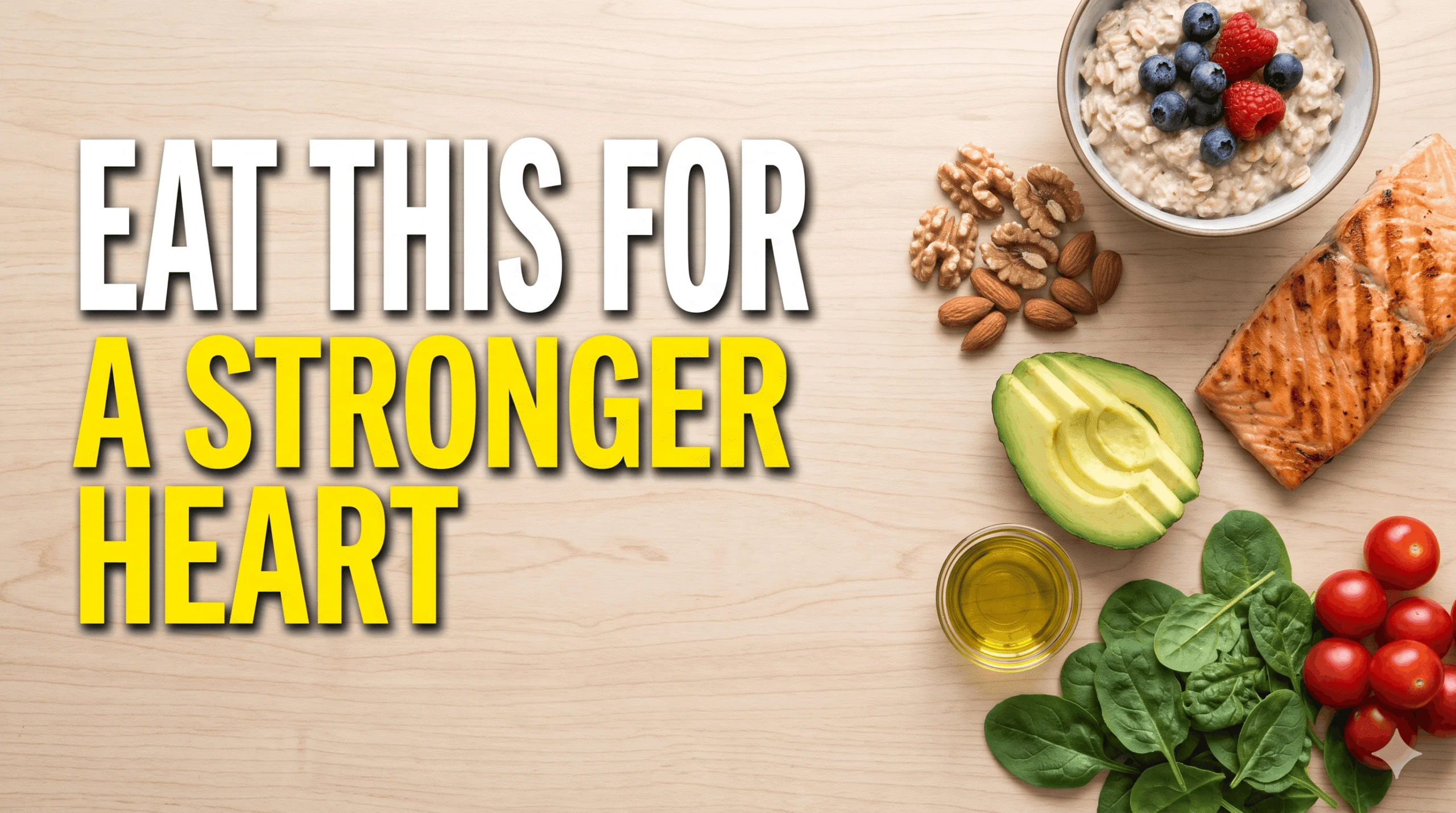
Heart disease is still one of the leading causes of death worldwide. The good news is that you can reduce heart attack risk with changes you control, and diet is one of the biggest.
No single “superfood” prevents a heart attack. What matters is your overall eating pattern: more of the foods that protect your arteries, and less of the foods that damage them. Here’s what the research supports.
How Food Affects Your Heart
A heart attack usually happens when a blocked artery stops blood from reaching part of the heart. Food affects that risk in four main ways:
- LDL (“bad”) cholesterol: Builds up as plaque inside arteries
- Blood pressure: Strains and damages artery walls over time
- Inflammation: Makes plaque more likely to break open and form a clot
- Blood sugar and weight: Diabetes and belly fat raise heart risk sharply
The best heart foods help with more than one of these.
9 Foods That Help Reduce Heart Attack Risk
| Food | What It Helps With | How Much to Aim For |
|---|---|---|
| Oily fish (salmon, sardines, mackerel) | Omega-3s lower triglycerides and inflammation | 2 servings a week |
| Oats and barley | Beta-glucan fiber lowers LDL | 1 bowl a day |
| Nuts (walnuts, almonds) | Healthy fats, lower LDL | A small handful (about 30 g) a day |
| Extra virgin olive oil | Healthy fats, antioxidants | Use instead of butter or ghee for most cooking |
| Leafy greens (spinach, methi, kale) | Nitrates and potassium for blood pressure | 1–2 cups a day |
| Beans, lentils and dal | Fiber, plant protein, potassium | Most days of the week |
| Berries | Anthocyanins support blood vessels | A cup, a few times a week |
| Whole grains (brown rice, whole wheat, millets) | Fiber, steadier blood sugar | Swap for refined grains |
| Avocado | Healthy fats, potassium | Half an avocado, a few times a week |
1. Oily Fish
Salmon, sardines, mackerel and trout are rich in omega-3 fatty acids. These help lower triglycerides, reduce inflammation and may help keep heart rhythm steady. Heart organizations commonly recommend about 2 servings of fish a week, preferably the oily kind.
Vegetarian? Walnuts, flaxseeds and chia seeds give a plant form of omega-3 (ALA). It’s less potent, but still helpful.
2. Oats and Barley
These contain beta-glucan, a soluble fiber that binds with cholesterol in your gut and helps carry it out of your body. Eating about 3 g of beta-glucan a day, roughly a large bowl of oats, can modestly lower LDL cholesterol.
3. Nuts
People who eat nuts regularly tend to have lower rates of heart disease in large studies. A handful a day is enough. Pick unsalted, unroasted or dry-roasted nuts, not the salted or sugar-coated kind.
4. Extra Virgin Olive Oil
In the large Spanish PREDIMED trial, people following a Mediterranean diet with extra olive oil or nuts had about 30% fewer major heart events (heart attack, stroke or heart-related death) than those on a lower-fat control diet. Olive oil works best when it replaces butter, ghee or vanaspati, not when it’s added on top.
5. Leafy Greens
Spinach, methi, lettuce and kale are rich in dietary nitrates and potassium. Both help blood vessels relax and keep blood pressure in a healthier range.
6. Beans, Lentils and Dal
Legumes are full of fiber, potassium and plant protein, with almost no saturated fat. Swapping some red meat for dal, rajma or chana is one of the easiest heart-friendly changes, especially for Indian kitchens.
7. Berries
Strawberries, blueberries and jamun contain anthocyanins, plant pigments linked in studies with healthier blood vessels and lower blood pressure. Fresh or frozen both work.
8. Whole Grains
Refined grains like white bread, maida and white rice spike blood sugar fast. Whole grains like whole wheat roti, brown rice, oats and millets (bajra, jowar, ragi) keep their fiber, which supports cholesterol, blood sugar and weight.
9. Avocado
Avocados are rich in monounsaturated fat and potassium. Swapping them in for butter or processed spreads may help improve cholesterol levels.
Foods That Raise Heart Attack Risk
| Cut Back On | Why |
|---|---|
| Trans fats (vanaspati, some bakery items, deep-fried snacks) | Raise LDL and lower HDL (“good”) cholesterol, the worst combination |
| Processed meats (sausages, bacon, salami) | High in salt and preservatives, linked with higher heart disease risk |
| Too much salt (pickles, papad, chips, instant noodles) | Raises blood pressure |
| Sugary drinks and sweets | Weight gain, high triglycerides, diabetes risk |
| Refined carbs (maida, white bread) | Blood sugar spikes, belly fat |
| Too much saturated fat (butter, ghee, red meat, full-fat cheese) | Raises LDL in many people |
Salt tip: Most of the salt we eat comes from packaged and restaurant food, not the salt shaker. Reading labels makes a bigger difference than skipping salt at the table.
A Simple Heart-Healthy Plate
Don’t count every nutrient. Just build each meal like this:
- Half the plate: Vegetables and salad
- A quarter: Protein, like dal, beans, fish, chicken, eggs or paneer
- A quarter: Whole grains, like roti, brown rice or millets
- Plus: A small amount of healthy fat (olive oil, nuts or seeds) and fruit for dessert
Beyond Food: What Else Matters
Diet works best alongside these habits:
- Don’t smoke. It’s one of the strongest heart attack risk factors.
- Move daily. About 150 minutes of brisk walking a week is a good target.
- Sleep 7–8 hours.
- Know your numbers: blood pressure, cholesterol and blood sugar. Get them checked regularly, especially after 30 or if heart disease runs in your family.
Know the Warning Signs
A healthy diet lowers risk, but it can’t remove it. Call emergency services immediately if you or someone near you has:
- Chest pain, pressure or tightness
- Pain spreading to the arm, jaw, neck or back
- Shortness of breath
- Cold sweat, nausea or sudden dizziness
Women, older adults and people with diabetes may have milder or unusual symptoms, like tiredness or indigestion-like discomfort.
FAQs
1. What is the single best food for heart health?
There isn’t one. Research consistently shows that the overall pattern matters most, like a Mediterranean-style diet rich in vegetables, whole grains, legumes, fish, nuts and olive oil.
2. Are eggs bad for the heart?
For most healthy people, about one egg a day is generally fine as part of a balanced diet. People with diabetes or high LDL cholesterol should ask their doctor about the right amount.
3. Is ghee bad for the heart?
Ghee is high in saturated fat. A small amount is fine for most people, but using it as your main cooking fat isn’t ideal. Mix it up with healthier oils like olive, mustard or groundnut oil.
4. How quickly can diet changes lower heart risk?
Cholesterol and blood pressure can start improving within a few weeks of consistent changes. The long-term benefit builds over months and years.
5. Can a healthy diet replace heart medicines?
No. If your doctor has prescribed medicine for cholesterol, blood pressure or your heart, keep taking it. Diet works alongside medicine, not instead of it.
Disclaimer: For general information only; not a substitute for professional medical advice.