Granola vs Oatmeal: Which Breakfast Has Less Sugar?
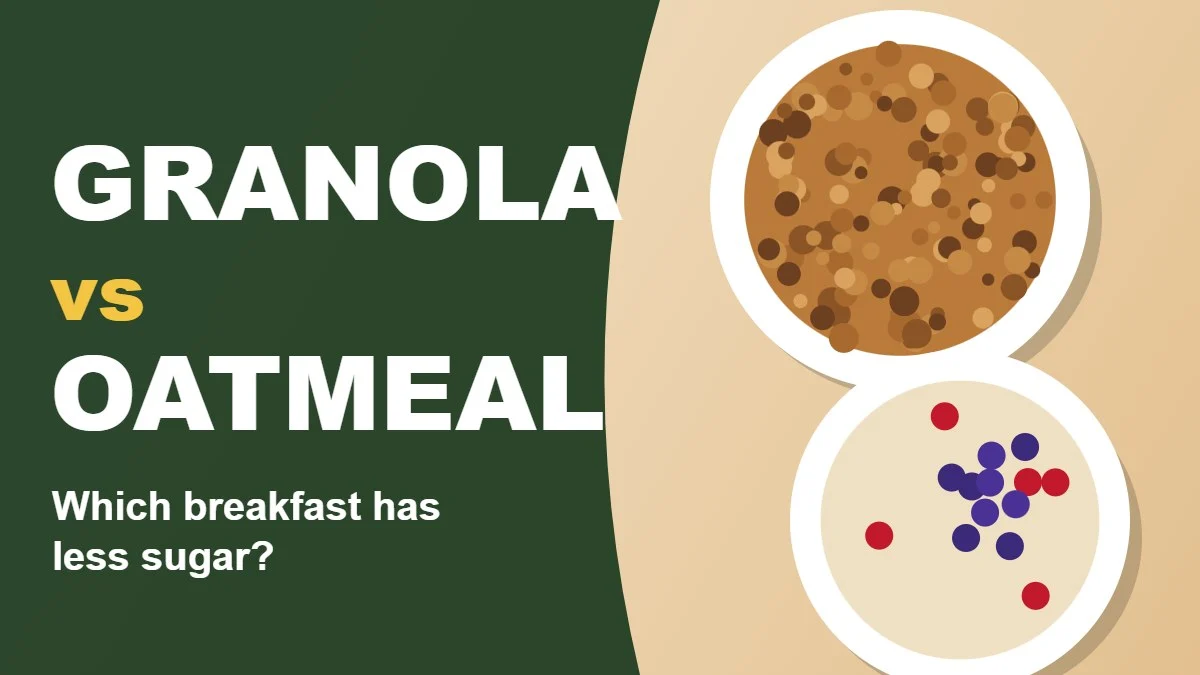
Granola and oatmeal both start with oats, but their sugar content can be very different. Here’s how they compare and how to build a low-sugar breakfast.
Granola and oatmeal both start with oats, but their sugar content can be very different. Here’s how they compare and how to build a low-sugar breakfast.
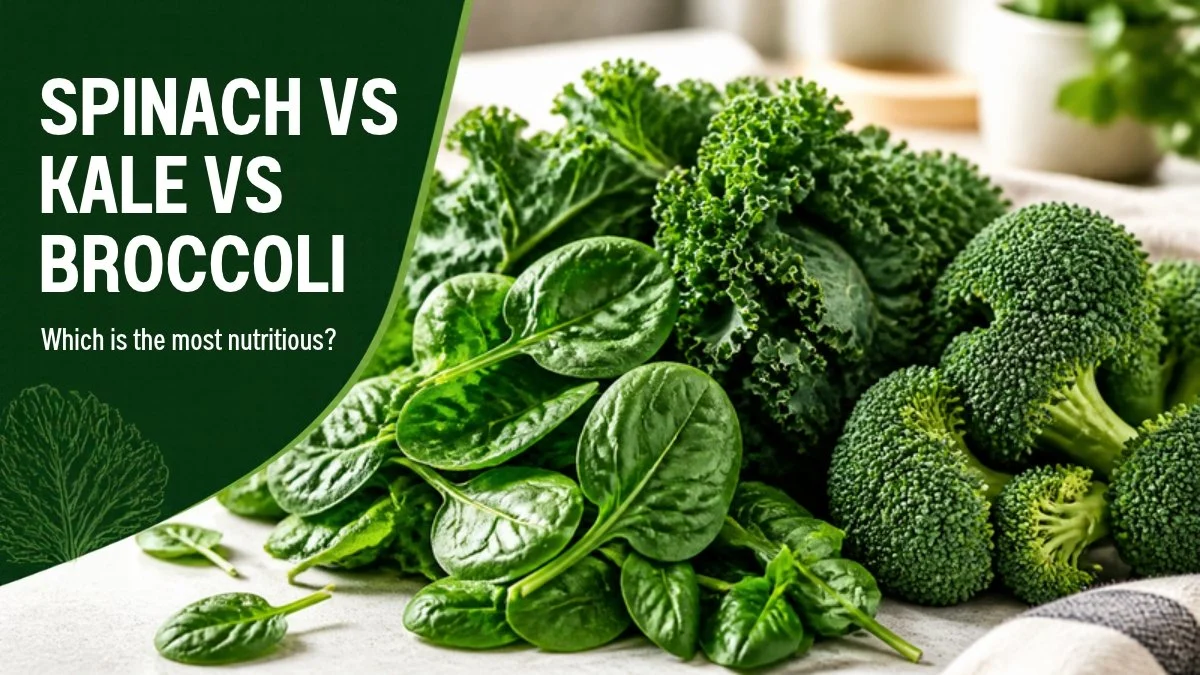
Spinach, kale and broccoli are all nutrition superstars, but each wins in different areas. Here’s how they compare on vitamins, minerals and more.
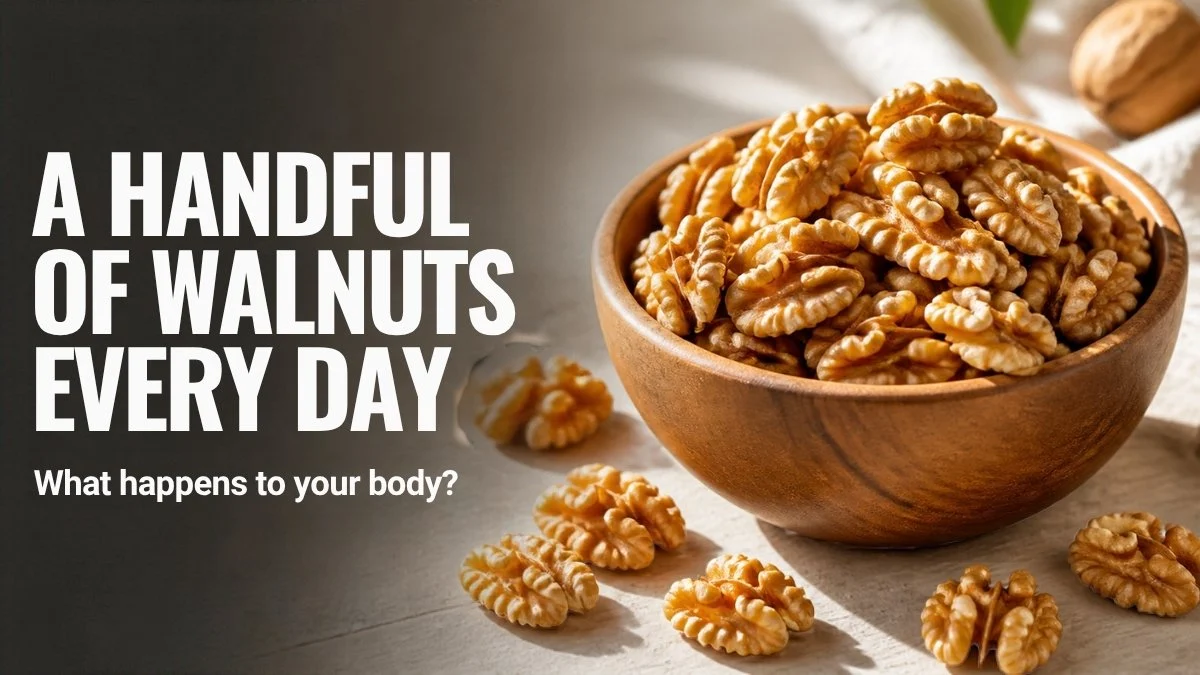
A daily handful of walnuts may help your cholesterol, heart, gut and appetite. Here’s what the research suggests, how much to eat and what to watch out for.
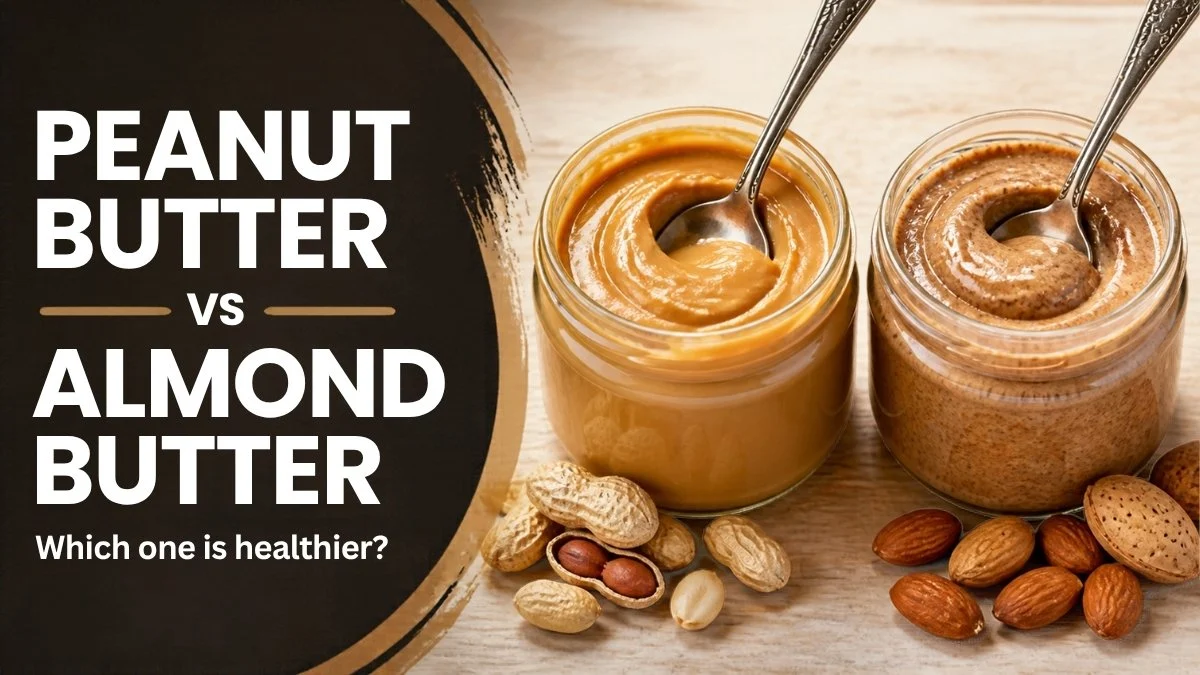
Peanut butter and almond butter are closer than you might think. Here’s how they compare on protein, healthy fats, vitamin E, fiber and price, and which may suit you best.
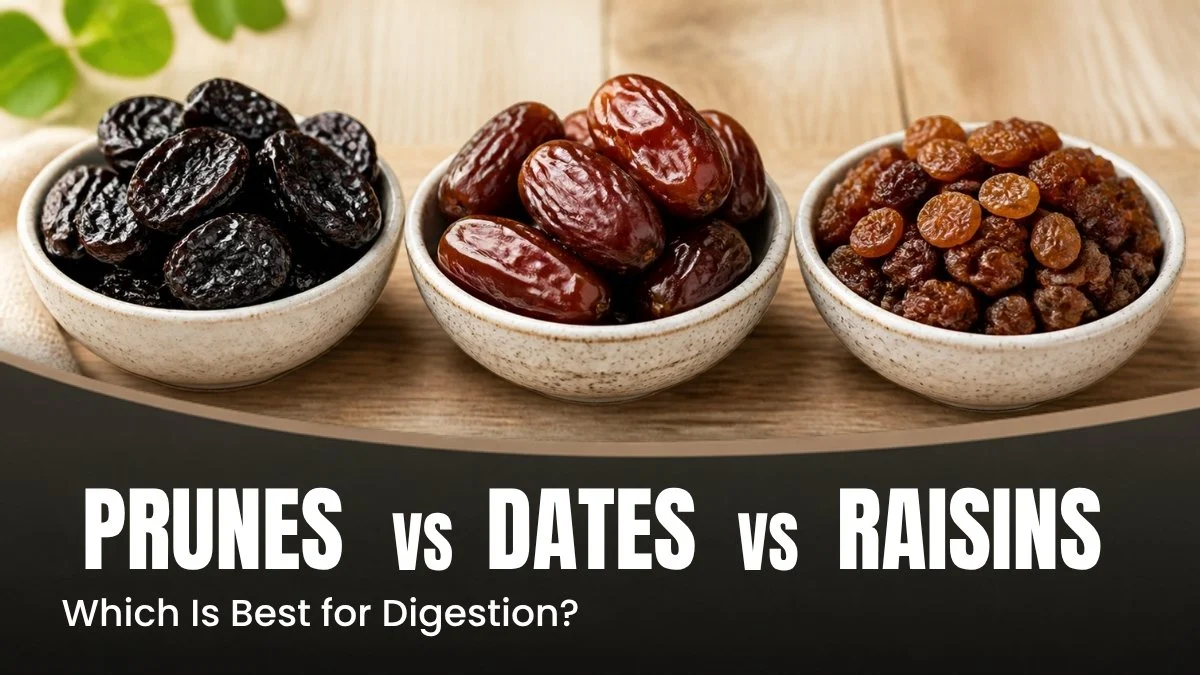
Prunes, dates and raisins all contain fiber, but they differ a lot in sugar and sorbitol. Here’s which dried fruit may help most with constipation and digestion.
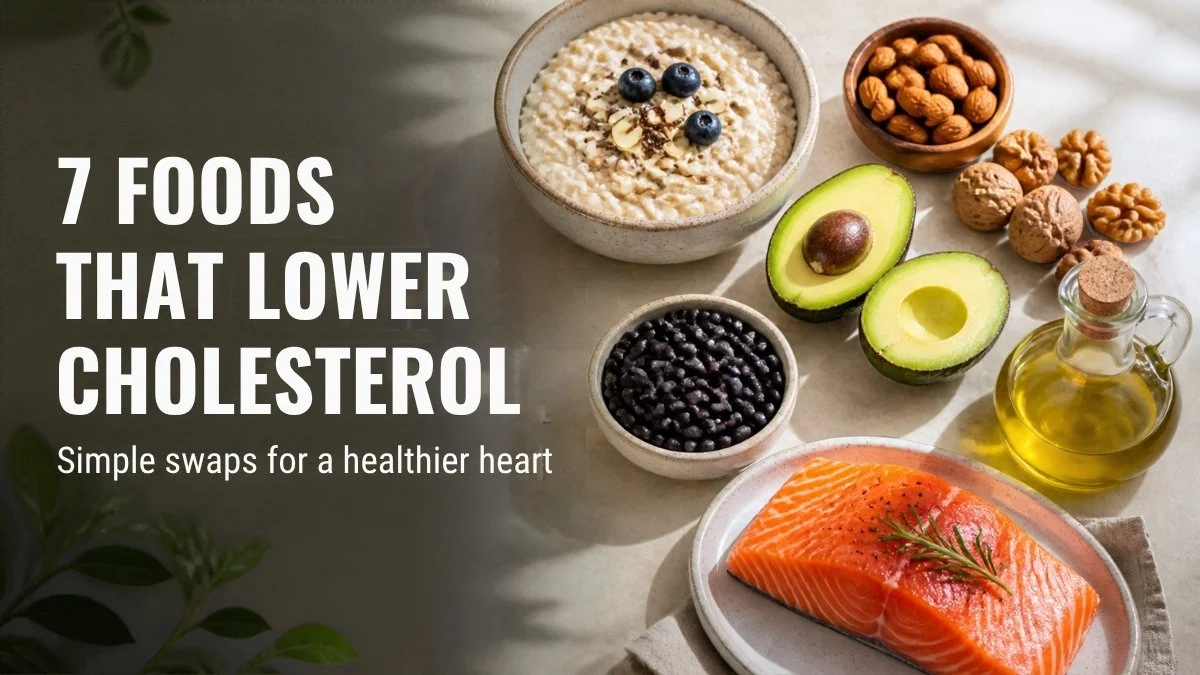
From oats and beans to nuts and olive oil, these seven everyday foods may help lower LDL cholesterol, especially when they replace foods high in saturated fat.
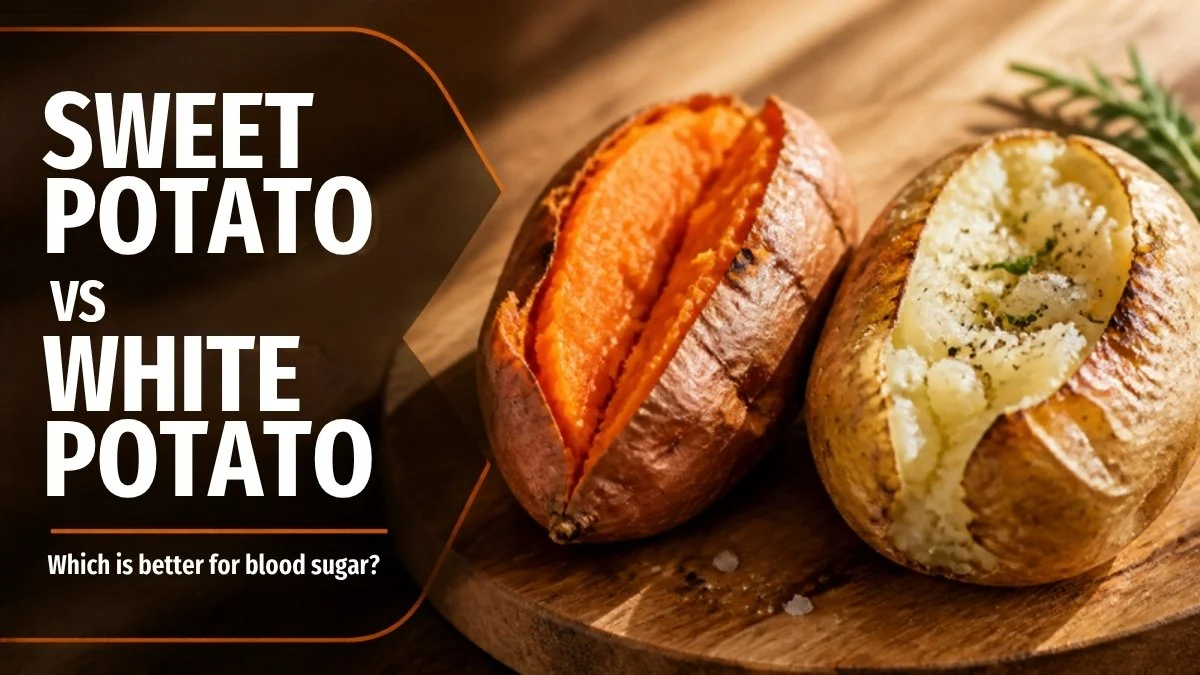
Sweet potatoes often get called the healthier choice, but the blood sugar difference is smaller than you might think. Here is how they compare, and how cooking changes everything.
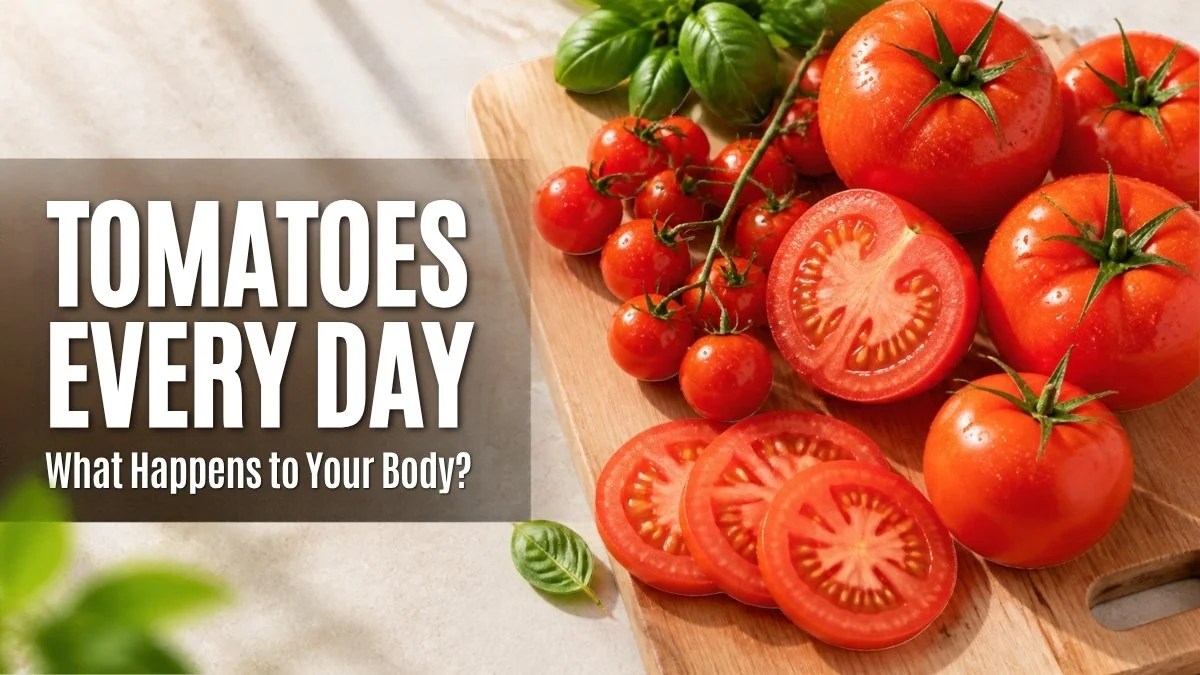
Tomatoes are low in calories and rich in lycopene, vitamin C and potassium. Here is what may happen to your heart, skin, digestion and more when you eat them daily.
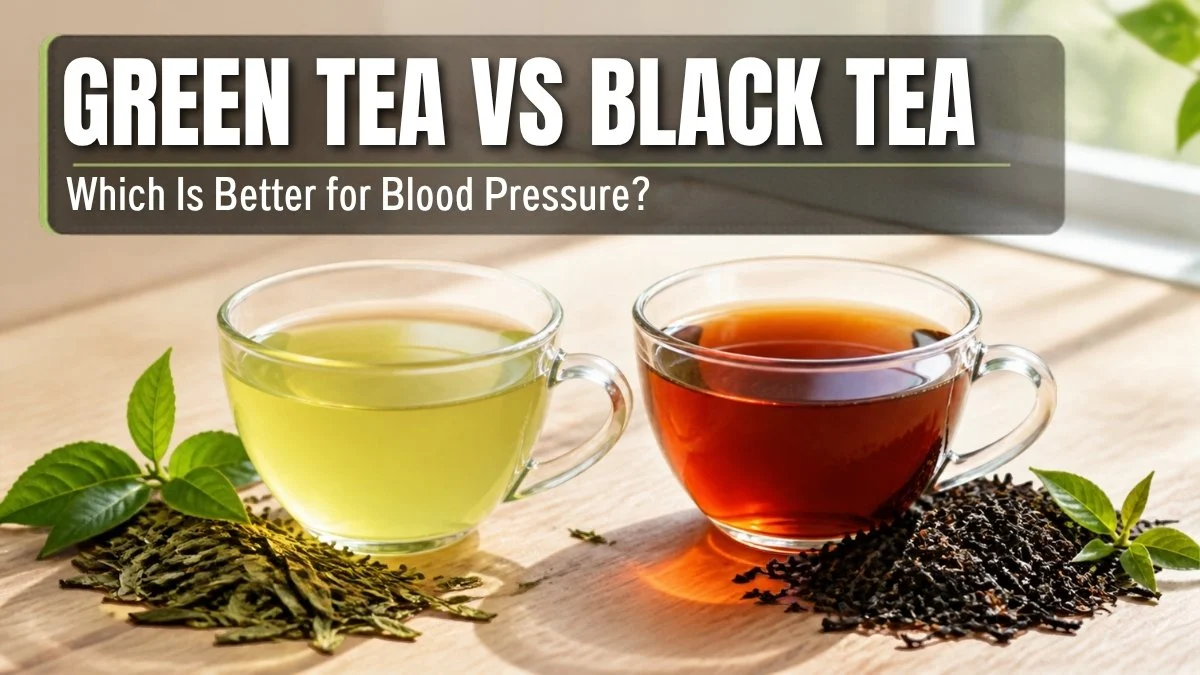
Green and black tea may both help support healthy blood pressure. Here is how they compare on caffeine, polyphenols and research, and which one may suit you.
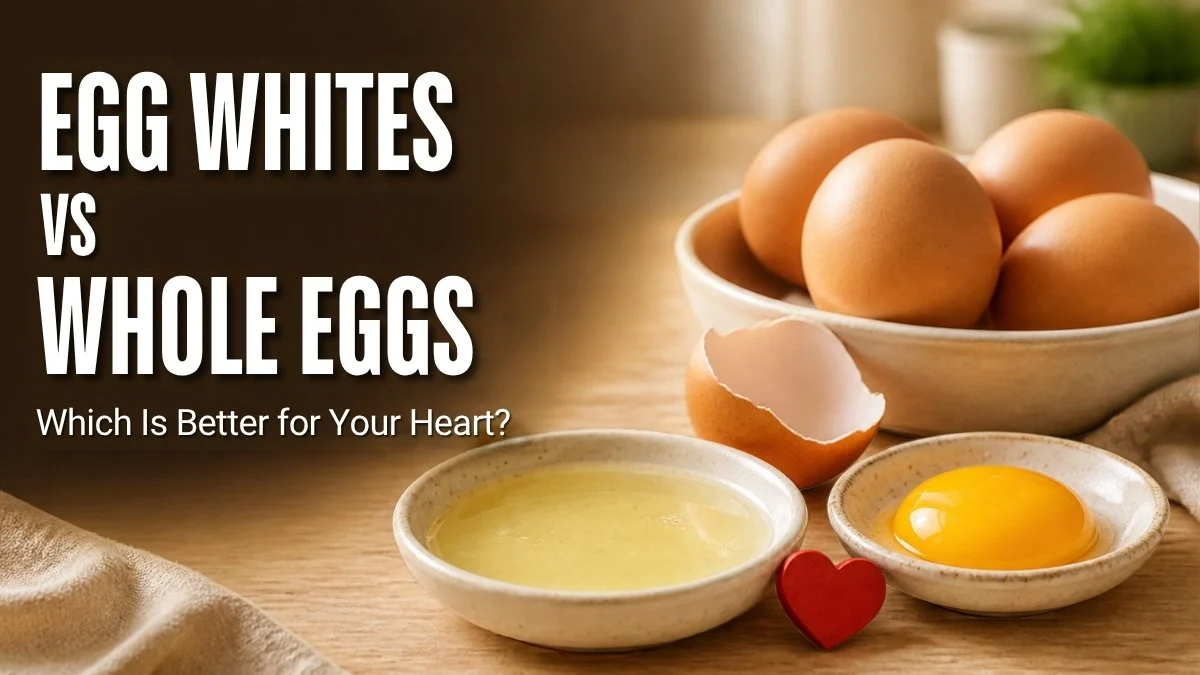
Egg whites have zero cholesterol, but yolks hold most of the nutrition. Here is what the research says about eggs and heart health, and which choice fits you.