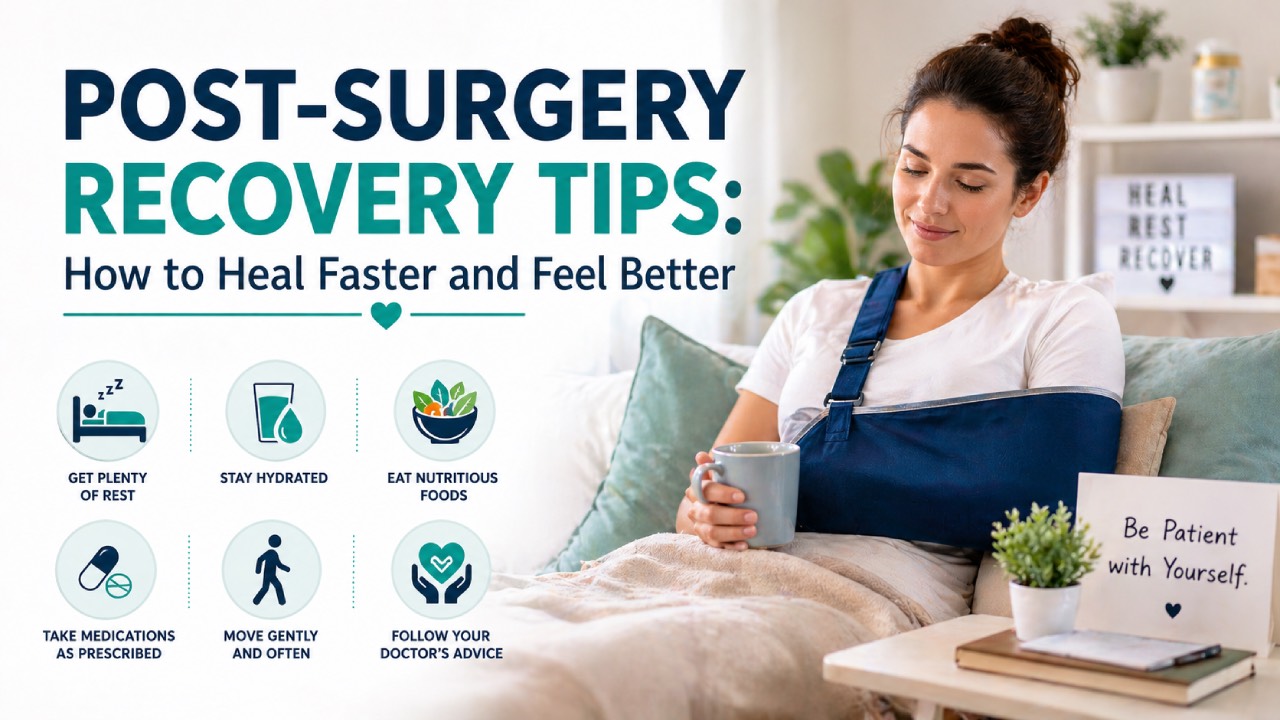
Having surgery — whether major or minor — is a big deal for your body. Even when everything goes perfectly in the operating room, how you recover at home plays a huge role in your overall outcome. The right post-surgery recovery tips can mean the difference between a smooth, comfortable healing process and unnecessary complications or setbacks.
This guide covers practical, easy-to-follow advice for anyone recovering from surgery. Whether you’ve had a cosmetic procedure, orthopaedic surgery, or a general operation, these tips will help you heal safely and get back to feeling like yourself as soon as possible.
Before We Start: Always Follow Your Doctor’s Instructions
This is the most important point in the entire article. Every surgery is different, and every patient is different. The tips in this guide are general best practices — but your surgeon’s specific instructions always take priority.
If your doctor says don’t lift anything heavy for six weeks, don’t lift anything heavy for six weeks. If they prescribe medication, take it as directed. General advice is helpful, but personalised medical guidance is irreplaceable.
1. Rest — But Don’t Stay Still Forever
Rest is essential after surgery. Your body needs energy to repair tissue, fight infection, and recover from anaesthesia. Don’t try to rush back to your normal routine too soon.
That said, complete bed rest for extended periods isn’t ideal either. Staying immobile for too long can increase the risk of blood clots, stiffness, and slow circulation. Most surgeons encourage light movement — like short, gentle walks around the house — as soon as it’s safely possible.
The goal is rest with gentle activity, not total inactivity.
2. Manage Your Pain Properly
Pain after surgery is normal. Managing it well isn’t about toughing it out — it’s actually important for recovery. When you’re in significant pain, your body is under stress, you sleep poorly, and you move less, all of which slow healing.
- Take pain medication as prescribed, on schedule — don’t wait until pain becomes severe
- Don’t suddenly stop prescribed medication without talking to your doctor
- Use ice packs (wrapped in a cloth) for swelling in the first 48 hours if your surgeon approves
- Elevate the affected area where possible to reduce swelling and discomfort
If your pain is getting worse instead of better after a few days, contact your doctor — it could be a sign of infection or another complication.
3. Take Care of Your Wound
Proper wound care is one of the most important post-surgery recovery tips, and also one of the most overlooked. Infections at the surgical site can cause serious complications and delay healing significantly.
Basic wound care guidelines:
- Keep the wound clean and dry as directed by your surgeon
- Don’t remove dressings or touch the wound unnecessarily
- Watch for signs of infection: increasing redness, warmth, swelling, discharge, or a fever
- Avoid submerging the wound in water (no baths, swimming, or hot tubs) until your surgeon gives the go-ahead
- Once healed, use silicone gel or sheeting if you want to minimise scarring — these are well-supported by evidence
If you notice anything unusual around the wound site, don’t wait — call your healthcare provider.
4. Eat Well to Support Healing
Your body needs the right nutrients to repair itself after surgery. This is not the time to diet or skip meals. Focus on eating well-balanced, nourishing food consistently.
Key nutrients for post-surgery recovery:
Protein is the most important. It’s the building block of new tissue. Include lean meat, fish, eggs, dairy, beans, or lentils in every meal.
Vitamin C supports collagen production and wound healing. Eat plenty of citrus fruits, strawberries, bell peppers, and broccoli.
Zinc helps with immune function and tissue repair. Good sources include meat, shellfish, nuts, and seeds.
Iron helps prevent anaemia, especially if you lost blood during surgery. Red meat, spinach, and fortified cereals are helpful here.
Stay hydrated. Water supports every aspect of recovery — circulation, digestion, and tissue healing. Aim for at least 6–8 glasses a day unless your doctor advises otherwise.
Avoid alcohol, which can interfere with medication, thin the blood, and slow healing. Limit processed and sugary foods, which can increase inflammation.
5. Sleep and Rest Well
Sleep is when your body does most of its repair work. Getting enough quality sleep after surgery is genuinely one of the best things you can do for your recovery.
A few tips to improve sleep during recovery:
- Set up a comfortable sleeping position before your surgery if possible — you may need extra pillows to elevate a limb or support an incision area
- Stick to a regular sleep and wake time to keep your body clock stable
- Avoid screens for an hour before bed
- Take prescribed sleep aids only as directed, and for the shortest time necessary
- Let people help you — accepting help with household tasks means you can rest more
Pain and discomfort can disrupt sleep. If this is a significant problem, speak to your doctor about adjusting your pain management plan.
6. Follow Your Physiotherapy or Rehabilitation Plan
If your surgeon or GP has referred you to physiotherapy — go, and take it seriously. Rehabilitation exercises are specifically designed to restore strength, mobility, and function after surgery. Skipping sessions or not doing your exercises at home slows your recovery and can lead to long-term stiffness or weakness.
Even if physio isn’t formally prescribed, ask your surgeon whether there are any gentle exercises or movements you should be doing at home. Staying proactive about mobility — within safe limits — makes a real difference.
7. Avoid Smoking
If you smoke, stopping before and after surgery is one of the most impactful things you can do. Smoking reduces blood flow, impairs wound healing, increases infection risk, and raises the likelihood of complications during and after any procedure.
Ideally, patients are advised to stop smoking several weeks before surgery — but stopping immediately after (and staying stopped during recovery) still significantly improves outcomes. Speak to your doctor about support options if you’re finding it difficult.
8. Watch for Warning Signs
Knowing when something isn’t right is a critical part of post-surgery recovery. Contact your doctor or go to an emergency department if you experience any of the following:
- A fever above 38°C (100.4°F)
- Increasing pain that isn’t responding to medication
- Redness, swelling, warmth, or discharge around the wound
- Shortness of breath or chest pain
- Swelling, redness, or pain in a leg (possible sign of a blood clot)
- Nausea, vomiting, or inability to keep fluids down
- Any symptom your surgeon specifically told you to watch for
It’s always better to call and be told everything is fine than to wait and let a complication develop.
9. Take Care of Your Mental Health Too
Recovery isn’t just physical. Many people feel low, anxious, frustrated, or emotionally flat after surgery — especially if recovery is taking longer than expected or if the procedure affected their body image or independence.
This is completely normal and more common than people talk about.
- Be patient with yourself — healing takes time
- Stay connected with friends and family, even just by phone or video call
- Get outside for short walks (when safe) — fresh air and light genuinely help mood
- Talk to your GP if you’re feeling persistently low or anxious
If you had cosmetic surgery, give yourself time before evaluating results. Swelling and bruising can make early results look very different from the final outcome. Most surgeons recommend waiting at least 3–6 months before making any judgements.
10. Attend All Follow-Up Appointments
Follow-up appointments aren’t optional extras — they’re part of your care. Your surgeon needs to check how your wound is healing, monitor for complications, remove stitches or drains if needed, and clear you for increased activity.
Don’t skip these appointments even if you feel fine. Some complications aren’t obvious without a proper examination. And if you have questions or concerns between appointments, don’t hesitate to call the clinic.
Also Read: Botox vs Fillers Comparison
Frequently Asked Questions
How long does post-surgery recovery take?
It depends entirely on the type of surgery. Minor procedures may require only a few days of rest, while major operations can involve weeks or months of recovery. Your surgeon will give you a realistic timeline specific to your procedure.
When can I return to exercise after surgery?
This varies by surgery type. Light walking is usually encouraged early on, but more strenuous exercise needs to wait until your surgeon gives clearance — typically several weeks to months. Never return to exercise before you’re medically cleared.
What foods should I avoid after surgery?
Avoid alcohol, highly processed foods, and excessive sugar. These can increase inflammation and interfere with healing. Also avoid foods that interact with any prescribed medication — your pharmacist can advise on this.
Is it normal to feel emotional after surgery?
Yes, very. Post-surgery emotional changes are common due to anaesthesia, pain, disrupted sleep, loss of independence, and the stress of the procedure itself. If low mood persists beyond a couple of weeks, speak to your GP.
How can I reduce scarring after surgery?
Keep the wound clean and protected from the sun during healing. Once the wound is fully closed, silicone gel or sheets applied consistently over several months is the best evidence-based method for minimising scar appearance. Some people also benefit from professional scar treatments like laser therapy.
Conclusion
A successful surgery is only half the journey — recovery is the other half. By following these post-surgery recovery tips, you give your body the best possible environment to heal efficiently and safely. Rest well, eat right, care for your wound, stay on top of your medication, and don’t ignore warning signs.
Most importantly, lean on your medical team. You don’t have to figure it all out alone — your surgeon, GP, nurses, and physiotherapist are all there to support you through the process.
Take it one day at a time, be patient with your body, and trust the process.
This article is for informational purposes only and does not constitute medical advice. Always follow the specific guidance provided by your surgeon and healthcare team.