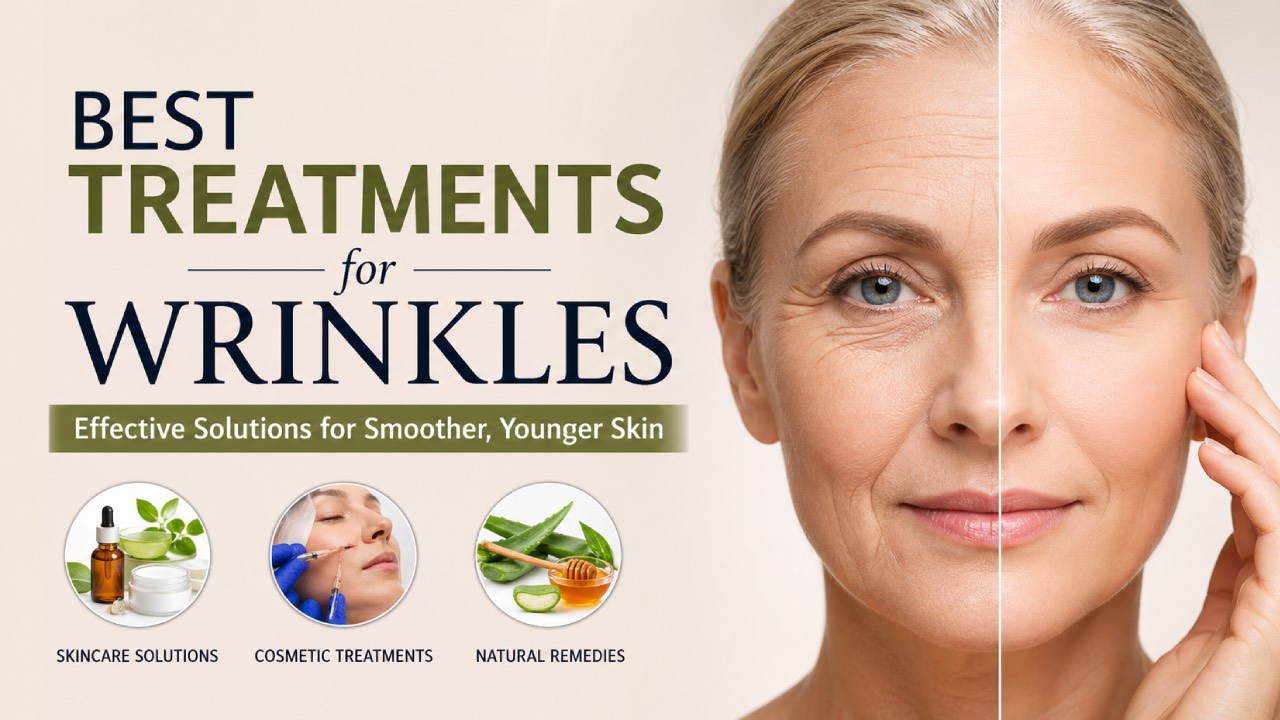
Wrinkles are a natural part of life — but that doesn’t mean you have to just accept them. Whether you prefer a simple home remedy or are considering a visit to a dermatologist, this guide covers the best treatments for wrinkles so you can choose what works for your skin, lifestyle, and budget.
Wrinkles develop for many reasons: sun exposure, loss of collagen, dehydration, repetitive facial movements, and simply getting older. The good news is that there are more effective options than ever before, from affordable creams to in-office procedures.
Let’s break them all down, simply and clearly.
Natural Remedies for Wrinkles
If you prefer a gentle, low-cost approach, natural remedies are a great starting point. They won’t produce dramatic results overnight, but used consistently, some can genuinely improve skin texture and firmness.
Facial Massage
Regular facial massage — especially with a gua sha stone or jade roller — can boost circulation and stimulate collagen production. It also helps reduce puffiness and facial tension. Spend 5–10 minutes on it daily for the best results.
Aloe Vera
Aloe vera gel contains compounds that help the skin retain moisture and may improve elasticity. Apply fresh gel directly to your face, leave it on for 15–20 minutes, then rinse off. It’s safe for most skin types and has virtually no side effects.
Diet and Hydration
What you eat shows up on your skin. Foods rich in antioxidants — like berries, leafy greens, nuts, and fatty fish — help fight the oxidative stress that speeds up aging. And don’t underestimate water: well-hydrated skin looks plumper and smoother.
Sun Protection
UV exposure is the single biggest cause of premature wrinkles. Wearing SPF 30 or higher every day — even on cloudy days — is one of the best anti-aging habits you can build. Think of it as prevention that doubles as treatment.
Skincare Products for Wrinkles
The skincare market is full of anti-aging products, but a few ingredients are genuinely backed by science. Here are the ones worth your money.
Retinol
Retinol is probably the most well-researched anti-wrinkle ingredient available without a prescription. It speeds up cell turnover and stimulates collagen production, gradually smoothing fine lines and improving skin tone over time.
Start slow — use it 2–3 nights a week at first to avoid irritation. Prescription-strength retinoids (like tretinoin) work faster but require a doctor.
Possible side effects: Dryness, peeling, and redness when you first start. Always follow up with a moisturiser and wear SPF during the day.
Vitamin C Serum
Vitamin C is an antioxidant that helps brighten skin, fade dark spots, and support collagen production. Apply a good serum every morning under your SPF for visible improvements in dullness and early signs of aging over time.
Hyaluronic Acid
Hyaluronic acid doesn’t “fix” wrinkles directly — but it plumps skin by drawing in moisture, making it look softer and smoother. It works well for all skin types, including sensitive skin, and is found in many moisturisers and serums.
Peptides
Peptides are small proteins that signal the skin to produce more collagen. They’re gentle and pair well with retinol and vitamin C. If you find retinoids too harsh, peptide-based creams are a good alternative to try.
Medical and Cosmetic Treatments for Wrinkles
For faster, more visible results, medical treatments are the most effective options available. These should always be performed by a qualified professional.
Botox (Botulinum Toxin)
Botox is one of the most popular wrinkle treatments in the world — and for good reason. It temporarily relaxes the muscles responsible for expression lines like forehead creases, crow’s feet, and frown lines. Results appear within a few days and typically last 3–6 months.
Possible side effects: Minor bruising, temporary headache, or slight asymmetry if not injected correctly. Always see a trained and certified injector.
Dermal Fillers
Fillers — often made with hyaluronic acid — are injected into deeper lines and hollows to restore lost volume. They work particularly well for nasolabial folds (the lines from nose to mouth) and thinning lips. Results last 6–18 months depending on the product used.
Possible side effects: Swelling and bruising are common. Rare risks include lumps or vascular complications, so choosing an experienced provider matters.
Chemical Peels
A chemical peel uses an acid solution to remove the outer layer of skin, revealing fresher and smoother skin underneath. Light peels target surface-level fine lines, while deeper peels address more significant wrinkles. Recovery time ranges from a few days to a couple of weeks.
Laser Resurfacing
Laser treatments use targeted light energy to remove damaged skin layers and stimulate new collagen growth. Ablative lasers (like CO2) produce dramatic results but require more downtime. Non-ablative lasers are gentler with less recovery but may need multiple sessions to see the same effect.
Microneedling
Microneedling uses tiny needles to create micro-injuries in the skin, triggering the body’s natural healing and collagen production. It works well for fine lines, skin texture, and even acne scars. You’ll typically need a series of sessions, and some redness is normal for a day or two after each one.
Frequently Asked Questions
What is the most effective treatment for deep wrinkles?
For deep, established wrinkles, medical treatments tend to deliver the best results. Laser resurfacing, deep chemical peels, and a combination of Botox and fillers are among the most effective options. A dermatologist can recommend the right approach based on your skin and the depth of the wrinkles.
At what age should I start treating wrinkles?
Prevention is easier than correction. Many dermatologists recommend starting a basic anti-aging routine — daily sunscreen, a good moisturiser, and vitamin C — in your mid-to-late 20s. Retinol can be introduced in your 30s. Cosmetic treatments are usually considered when lines become more visible or persistent.
Can wrinkles be permanently removed?
Not completely. Most treatments reduce the appearance of wrinkles rather than eliminating them forever. Aging is ongoing, so maintenance is usually necessary. That said, procedures like laser resurfacing can produce long-lasting improvements when combined with good skincare habits.
Are there wrinkle treatments safe during pregnancy?
Many common treatments are not recommended during pregnancy, including retinoids, Botox, fillers, and chemical peels. The safest options are gentle moisturisers, hyaluronic acid, and SPF. Always consult your doctor before starting any new skincare product or treatment while pregnant.
Do wrinkle creams actually work?
Some do — but results are gradual and modest compared to professional treatments. Creams with retinol, peptides, and hyaluronic acid have solid scientific backing and can meaningfully improve skin texture and fine lines over time. Consistency is key; don’t expect overnight miracles.
Conclusion
Finding the best treatments for wrinkles comes down to your goals, skin type, and what you’re willing to invest in time and money. A solid skincare routine using proven ingredients like retinol and vitamin C is the best place to start. If you want faster or more significant results, professional treatments like Botox, fillers, or laser therapy are safe and effective when done by a qualified provider.
The most important thing? Start sooner rather than later. Daily sun protection alone can prevent a significant amount of future wrinkling. And whatever path you choose, consistency is what makes the real difference over time.
This article is for informational purposes only and does not constitute medical advice. Consult a dermatologist for personalised recommendations.